Effective usage of breath work during a panic attack

This is a pretty accurate representation of a panic attack, and the use of the breath as a tool to manage the symptoms. For those that watch Ted Lasso, we get to see the progress that Ted has made with Dr. Sharon in learning a coping mechanism for anxiety. He has learned his cues that a panic attack is coming and has developed tools to fend it off. The look of relief and accomplishment at the end says it all.

Tips for fending off a panic attack as demonstrated by Ted:

1. Identify. Learning the first signs of a panic attack are important in them not taking over. For Ted, it seems to start with rapid heartbeat and a ringing in his ears.

2. Focus on the breath. The goal is for these deep, cleansing breaths Ted shows here; ensuring that the exhale is longer than the inhale. Thinking only of the breath helps to mitigate the intrusive thoughts as well as calm the body.

3. Grounding. You see Ted place his hand on his chest, which is great. It helps keep one in touch with the body and acts as self-assurance that I am, in fact, okay. Find something that brings you back to the present.

4. Self-talk. Repeating a phrase that soothes your anxiety can shift your focus enough to stop the attack. Ted repeats “It’s okay”. Find a phrase, or a few, that reassures you to use in these moments.

.

.

#mentalhealth #mentalhealthawareness #mentalhealthawarenessmonth #breathwork #anxiety #panicattack #tedlasso #peacelovelasso
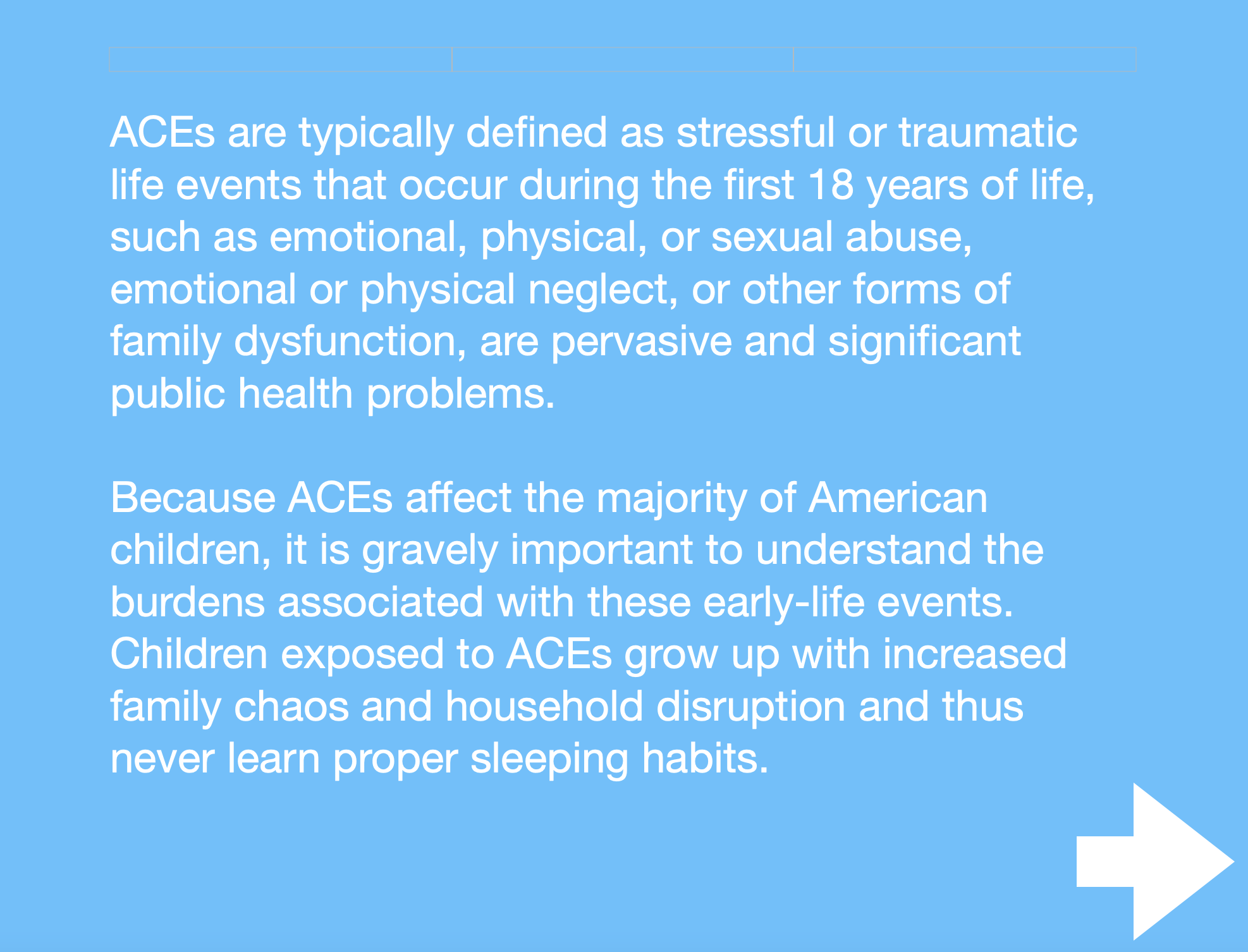
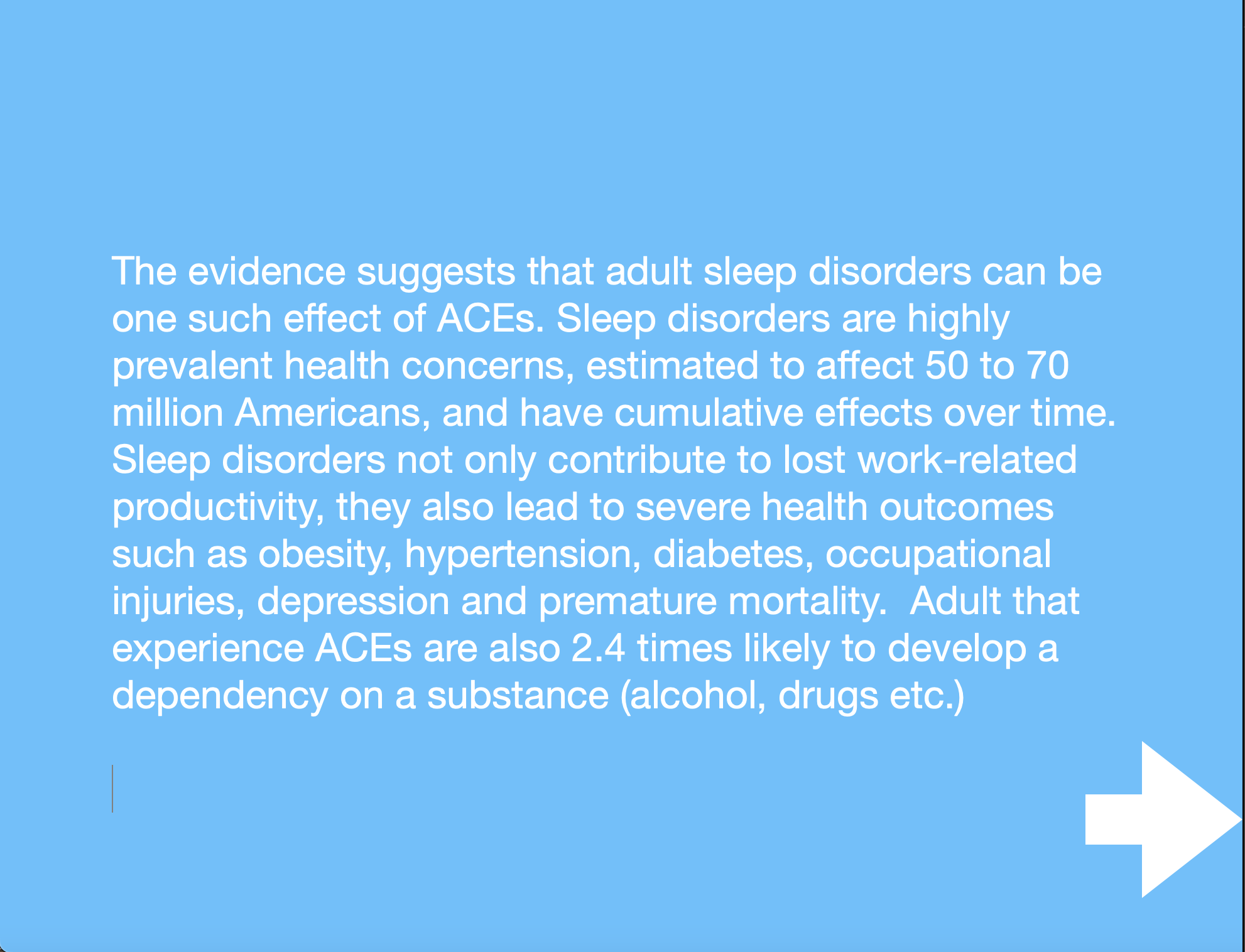
Childhood Trauma and Adult Sleep Disorders

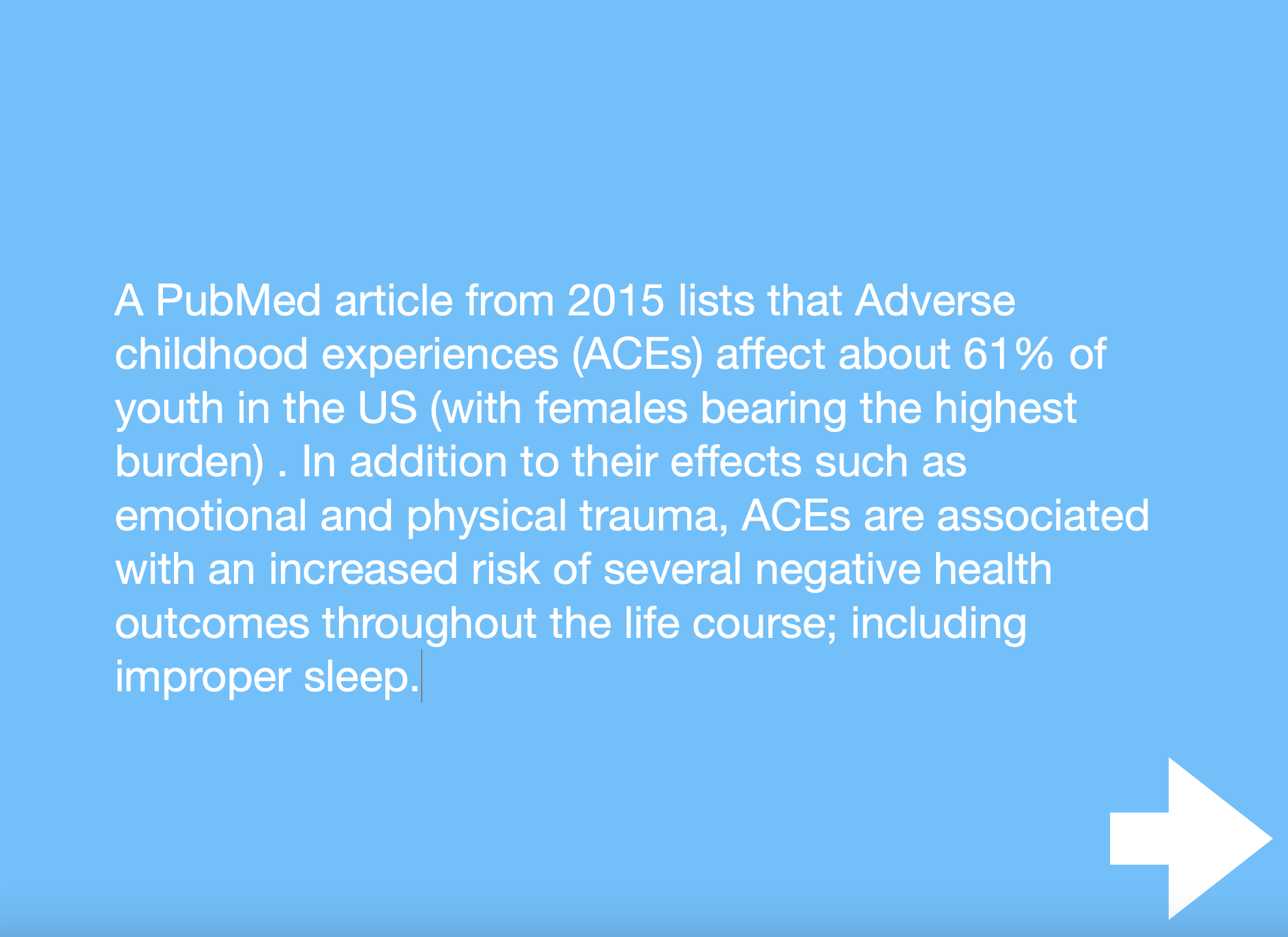
A 2015 PubMed article states that 61% of children in the US alone experienced some sort of trauma.

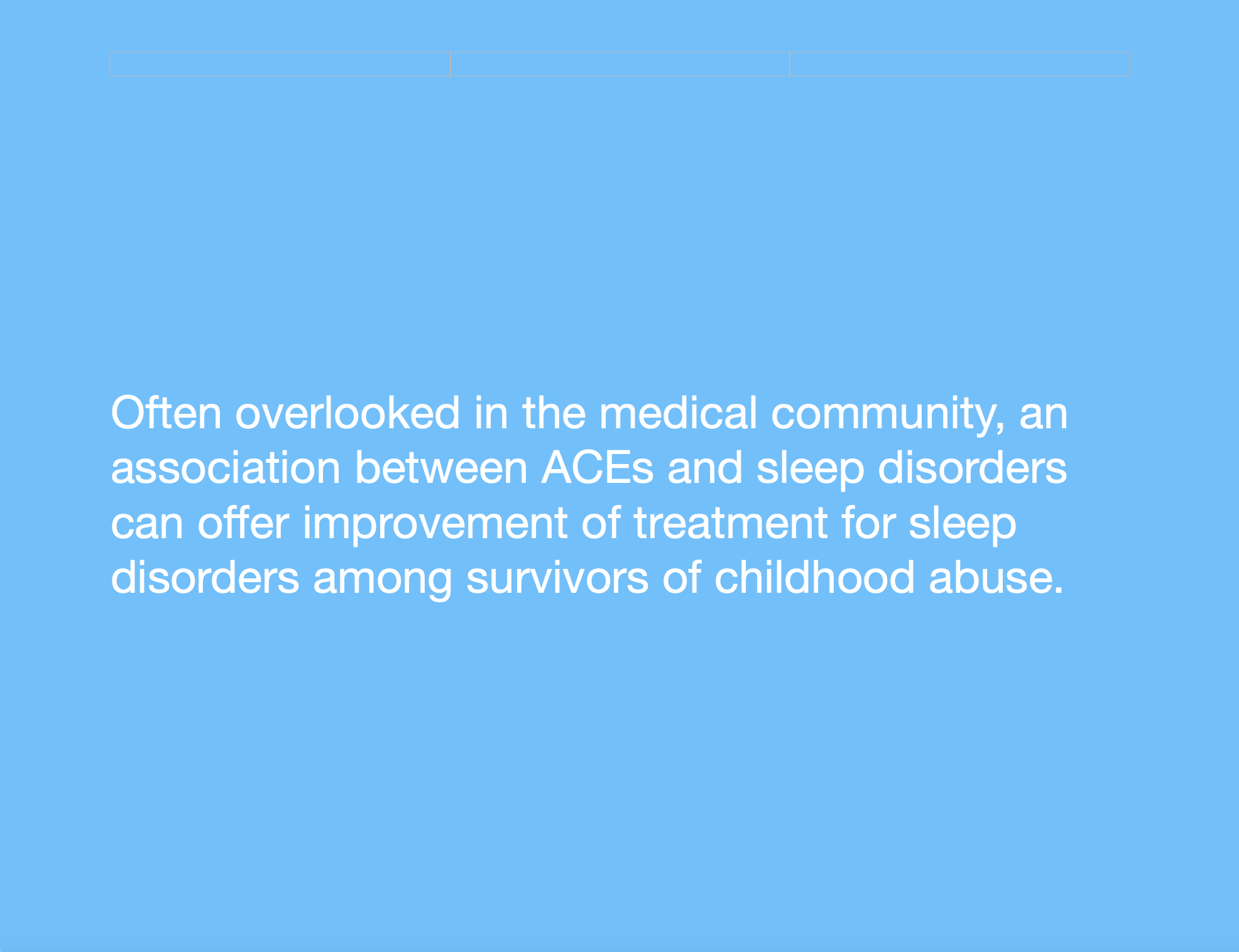
A clear association has been identified between childhood trauma and adult distributive sleep patterns such as narcolepsy and insomnia.

Other behavioral issues such as anxiety, obesity and substance abuse are also connected to childhood trauma.

Working with both a doctor to address the physical symptoms of sleep deprivation and a therapist to help address the attached emotional experiences greatly increases the opportunities for recovery.

#childhoodtrauma#trauma#sleep#traumarecovery#traumahealing#narcolepsy#insomnia#emotionalhealth#mentalhealth

Mental Health Awareness Month

The month of May has been Mental Health Awareness Month in the US, so lets review some facts about Mental Health.

One in five adults in the US will experience a mental health challenge at some point during their lives. One in five. And over forty percent of people suffering from a mental health event will take over a year to seek out help.

Stigmas around mental health and its treatment can include shame, embarrassment, ego and pride, discrimination and even culture. Many “isms” go hand-in-hand with mental health: substance abuse, food, and sex are common ways that people can avoid themselves. People can overwork, over acquire possessions and people in their lives to numb themselves so that they won’t have to feel what they do when there’s no action around. Simple logic dictates that we see a doctor when we’re physically ill. Working to treat our emotional health is no different.

What is Mental Health?

Mental Health is a state of emotional well-being in which an individual:

Realizes their own capabilities

Can successfully mange the normal stresses of life

Can work productively

Can contribute to their Community

What is a Mental Health Challenge?

There is a major change in someone’s thinking, feeling or behavior that interferes with the person’s ability to live their life.

The interference lasts longer than typical emotions or reactions would be expected to.

How to observe Mental Health Awareness:

1. Take care of yourself. Sometimes life’s ups and downs can seem to be heavy and burdensome.

2. Check up on your friends and family. Often, all people need is a non-judgmental listening ear. Support and encourage your friends and family if they are being treated for any mental problems.

3. The more mental health is discussed, the more accepted it will become. Learn about what behaviors and language to watch for in your friends, family and also in yourself.

Some resources:

Crisis Text Line

Text MHFA to 741741

Mental Health First Aid USA

https://www.mentalhealthfirstaid.org/mental-health…/

Finding a Behavioral Health Professional

www.psychologytoday.com/us